This is known as enhanced due diligence (EDD) and may be particularly relevant for high-net-worth customers or those identified as high-risk, such as PEPs. Critical data includes sanctions and watchlist screening, transaction monitoring, executive bios, company reports, and credit and lending history, for starters. Identifying, extracting, and analyzing data sets like these helps form a more comprehensive picture of a customer’s activity. However, this is where data silos and legacy technology inhibit many organizations from doing analysis in real time. This helps build trust and avoid customers who might be involved in illegal activities. Also, KYC is crucial for the customer’s protection, while ensuring a smooth and seamless experience with the broker.
What are the four key fundamentals of KYC?
Not all Know Your Customer service providers equip their systems with the latest technology and tools. Therefore, the level of security provided by these types of solutions is low, far from the legally required security standards for formal customer identification according to the most demanding regulations in this area. The KYC process consists of verifying that the client is actually who they say they are and giving them access to the services or products they need. This verification is carried out through different methods, although not all comply with legal requirements. See how leading companies are screening against the world’s only real-time risk database of people and businesses.
How to Choose a KYC Vendor: An RFP Checklist for Fintech Founders
E-verification significantly mitigates the risk of forgery, eliminates manual errors, and accelerates the onboarding process into a secure session lasting under a minute. It has already become a standard in certain countries, including Germany, France, and Sweden. A bank statement is a highly reliable document provided it is an official statement from a recognized financial institution. While mobile banking is convenient, a simple screenshot of a transaction history is usually insufficient because it often lacks the necessary residential details.
Improves customer trust
At propy Funds, we believe every trader deserves access to fair, transparent, and scalable funding. That’s why we provide some of the largest and most affordable prop trading accounts in the industry, combined with dedicated support, fast payouts, and flexible funding fxverge reputation models. Overall, while KYC can be time-consuming, it is widely used as a foundation for safer, more transparent digital finance. Without verification, proving ownership can become significantly harder — and in some edge cases, unresolved access problems can put funds at risk. For traders, that can translate into a more complete experience that bridges traditional finance and modern trading infrastructure.
What to Check before Initiating Registration
Although KYC is considered an ethical practice that helps to build trust with customers, these checks are also a critical legal requirement for banks and financial service companies to ensure regulatory compliance. If a customer fails the kyc verification process, the customer onboarding process kyc is immediately paused to prevent potential fraud or compliance risks. This can happen due to mismatched identity details, invalid or tampered documents, failed biometric checks, or negative AML screening results within the aml and kyc process. KYC is mandatory for regulated industries such as banking, fintech, payments, and crypto, where strict kyc compliance requirements apply. In these sectors, the kyc process and kyc verification process are legally required to verify customer identities, prevent fraud, and comply with global AML regulations. A risk-based KYC approach is a core part of the kyc compliance process, where businesses assess customer risk levels and apply appropriate kyc verification steps based on those profiles.
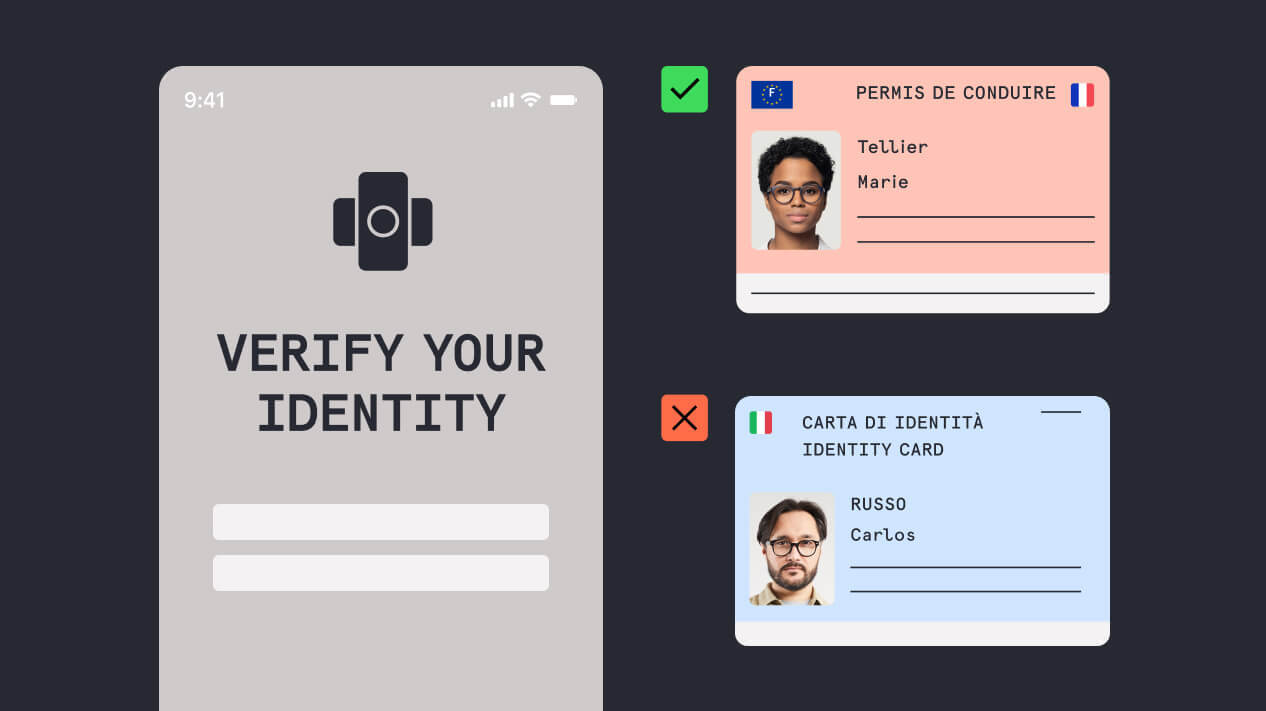
The 4 Key Steps of KYC Verification
This sort of exposure increases the company’s overall vulnerability to financial crime. The Financial Crimes Enforcement Network (FinCEN) mandates KYC requirements in the US. FinCEN serves as a connection that bridges the law enforcement, financial, and regulatory sectors together. FinCEN operates under the Bank Secrecy Act (BSA), which is the primary AML and counter-terrorism financing (CTF) law.
The fraud was possible because of weak identity proofing and gaps in human verification. Financial institutions must regularly update KYC policies to adapt to new risks. Machine learning and data analytics can help spot unusual patterns, giving banks the ability to stop fraud before it starts. KYC online verification uses technology to check a person’s identity through online platforms.
- Therefore, it is imperative for businesses to invest in robust compliance programs that include effective customer due diligence (CDD) and enhanced due diligence (EDD) processes for higher-risk customers.
- Typically, this responsibility rests with financial institutions and government agencies, though in some cases, a knowledgeable third party like IDnow may also be able to provide certification services.
- KYC is the process of identifying and verifying customers and assessing their risk, while AML is the broader program of preventing money laundering, including transaction monitoring and suspicious activity reporting.
- Ondato offers all the necessary KYC and data monitoring tools in one comprehensive suite.
- Even if your ID card lists an address, brokers typically require a separate document to verify where you reside.
- KYC is a set of procedures and guidelines that financial institutions use to protect themselves from online fraud and money laundering.
Synthetic fraud losses in the United States alone are estimated at $30 to $35 billion annually. Digital onboarding fraud attempts were detected in roughly 8.3 percent of verification cases in early 2025, and 67 percent of banks and fintechs reported rising fraud rates throughout the year. KYC verification is the mechanism through which businesses intercept these threats at the point of entry.
KYC Verification FAQs
Physical KYC verification is resource-intensive, requiring significant investment in labor, office space, and technology. For instance, we have estimated that big banks in Germany, the Netherlands, France, and Switzerland spend an average of €5.7 million annually on KYC, with 74% of that cost allocated to labor. Automating the identity verification process with solutions like Ondato can reduce costs by over half, with a single verification costing less than €1. The price can be even lower depending on the number of verifications you need to perform. Customers can save time with OCR mode, which automatically extracts information from their IDs.
Why companies ask for KYC documents
The process basically involves verifying the identity of the customer through specific identification documents, as required by the regulator of the country in which the customer is being onboarded. So, when a new client wishes to open a trading account with your brokerage, they will need to provide government-approved identity proof before they can operate the account. Today, brokerages can choose a third-party service provider to complete their KYC obligations effortlessly. But before you look for such a provider, here’s what you need to know and KYC in the brokerage business. You wouldn’t just hand over a key to anyone who walks in off the street with a bag of cash.
KYC Provider and ID Verification Provider – The Comprehensive Broker Guide
The concept of KYC wasn’t born in the digital age; its roots are deeply embedded in the fight against organized crime and illicit finance. Initially, its main goal was to stop the mafia and drug cartels from using the banking system to “wash” their dirty money. The BSA required banks to report large cash transactions (over $10,000) to the government. This was the first time financial institutions were legally deputized as gatekeepers against financial crime. However, for decades, these rules were relatively basic.The true catalyst for modern, rigorous KYC was the tragic event of September 11, 2001.
The Regulatory Landscape Reshaping KYC in 2026
All regulated entities that are subject to KYC compliance need to implement KYC verification. This includes all sorts of companies, both traditional financial institutions and other non-financial entities or online businesses. Anti-money laundering, or AML compliance, is part of a broader regulatory framework designed to safeguard companies from various financial crimes. Authorities like FinCEN mandate that companies implement both KYC verification and AML measures to stay compliant. Organizations are required to perform due diligence to validate the identities of potential customers before accepting them as a customer.